

Research by Sergi Padilla Named to The 1% by QED Science
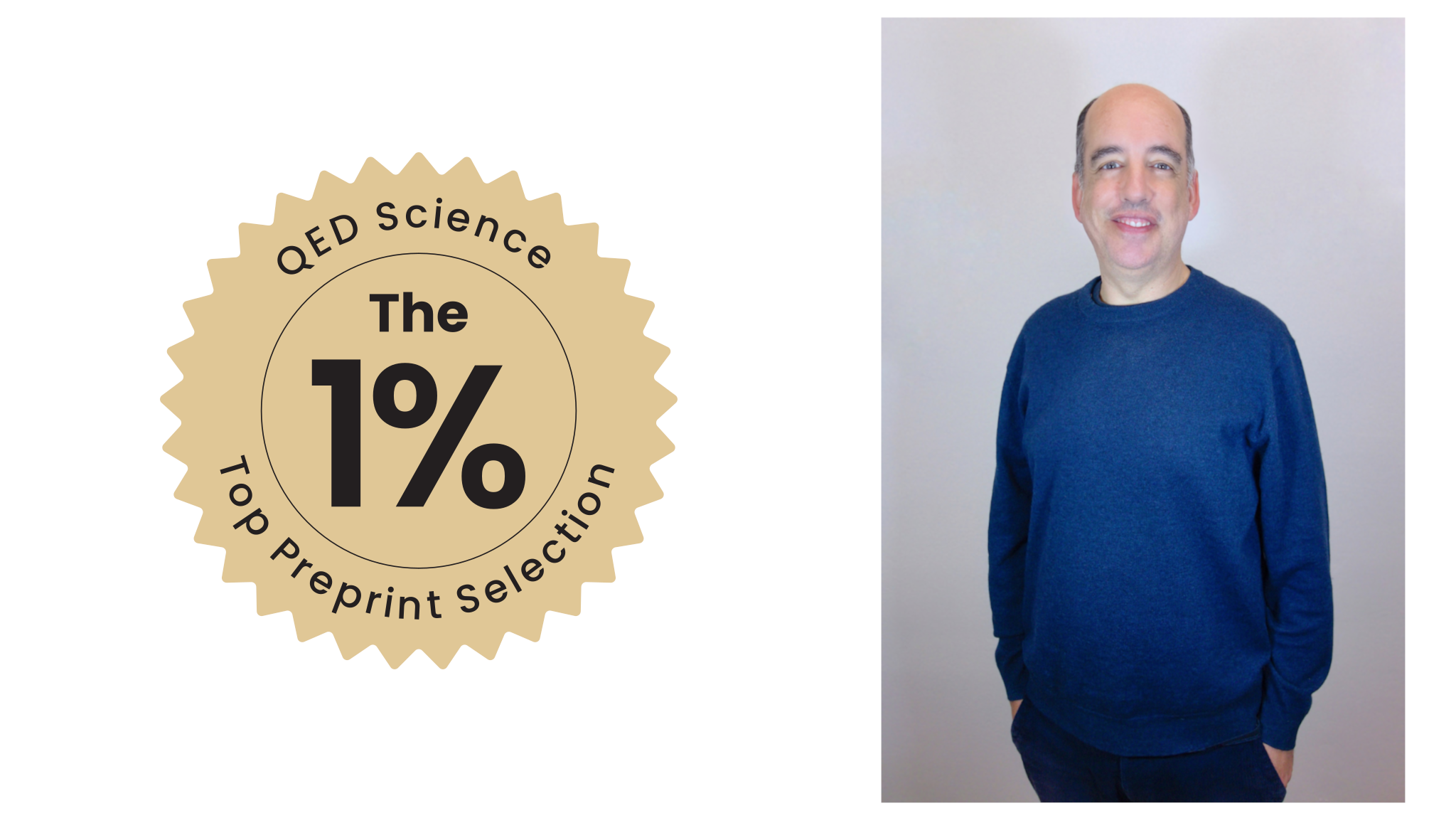
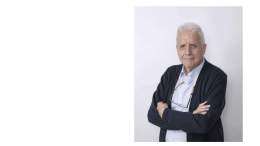
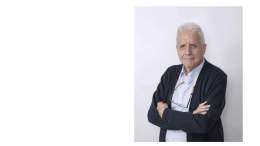
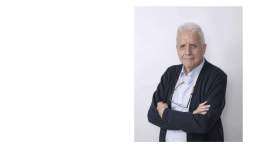
Research led by Sergi Padilla from Instituo Biofisika (CSIC, EHU), has been recognized in The 1% Spring 2026, a new benchmark for scientific quality from QED Science based on originality and validity.
The recognition was awarded to the preprint “Early HIV-1 maturation drives Env clustering and fusion competence”, selected based on QED Science’s anonymous scoring of 57,455 bioRxiv preprints submitted between May 2025 and April 2026 for originality and validity. The paper ranks among the top 574 preprints worldwide.
The study uncovers a previously unrecognized early stage of HIV-1 maturation in which partial processing of viral structural proteins triggers critical functional changes required for viral entry. Using an innovative combination of fluorescence lifetime imaging (FRET-FLIM) in cryogenic conditions and cryo-electron tomography, the researchers demonstrate that early cleavage of the Gag polyprotein reorganizes the viral membrane and promotes clustering of the envelope glycoprotein (Env). This clustering primes the virus for membrane fusion with host cells, a key step in infection, even before full maturation and capsid formation occur.
Importantly, the findings revise current models of HIV-1 maturation by showing that fusion competence is established earlier than previously thought, and that viral entry can be functionally decoupled from full infectivity. By identifying this intermediate, previously inaccessible stage, the study highlights a new window for therapeutic intervention and provides insights relevant to the design of next-generation antiviral strategies and vaccines targeting the coupling between viral maturation and entry.
The 1% was created to spotlight exceptional science and bring it into the scientific corpus before traditional peer-review timelines have allowed. While not a substitute for peer review, QED Score evaluates, scores, and prioritizes anonymized manuscripts for originality and scientific validity, independent of author identity, institutional prestige, and publication venue.
Oded Rechavi, co-founder of QED Science, states:
“Preprints are one of the best things to happen to scientific publishing, but readers still need better ways to assess their scientific quality. The 1% by QED Science is our attempt to create a useful benchmark for originality and validity, independent of journal name, institution, or reputation. Built by scientists for scientists, QED Science aims to strengthen how scientific work is evaluated and trusted, while addressing some of the unnecessary delays and biases scientists suffer under in the current system.”
This recognition underscores the scientific excellence of the research team and highlights their contribution to advancing fundamental understanding of viral biology, particularly in the context of HIV-1 infection mechanisms and therapeutic targeting.
Sergi Padilla-Parra, senior author of the study, commented:
“Being recognized in The 1% by QED Science is meaningful validation of our research and findings. Our work reveals a critical early step in HIV-1 maturation that governs viral fusion and identifies a new vulnerability that could be exploited for antiviral intervention, with potential implications for both therapeutic development and vaccine design.”
To learn more about The 1% by QED Science, visit: https://www.qedscience.com/
For more information:
Alejandra Pinedo
Communication and Outreach manager
Tlf. 676751102