



Integrative Cryo-Imaging
Biofisika Institute (CSIC, EHU)
Science Park of the EHU
Barrio Sarriena s/n. 48940 Leioa, Bizkaia (Spain)
The Integrative Cryo-Imaging Lab develops next-generation imaging technologies to connect molecular structure with biological function across scales. A central focus is the development and quantitative characterization of fluorescent probes and photonic measurements under cryogenic conditions, including detailed analysis of fluorophore behavior in cryo environments. By integrating advanced optical microscopy, cryogenic photonics, and cryo-electron tomography, the lab aims to establish a unified imaging pipeline that goes beyond traditional CLEM, enabling direct integration of structural, photonic, and functional information. To achieve this, we develop and combine single-molecule microscopy, fluorescence lifetime imaging, spectral and functional imaging, and super-resolution approaches such as DNA-PAINT, alongside AI-guided design of fluorescent proteins and biosensors. These technologies are applied to a range of biological questions, with a particular focus on viral entry and membrane fusion. As an example, we study Class I viral fusion proteins, including HIV-1 Env, Ebola GP, Nipah F, and coronavirus Spike. By integrating imaging modalities across single molecules, viral particles, cells, and tissues, the lab seeks to uncover the biophysical principles governing membrane fusion and other dynamic biological processes.
Sergi Padilla
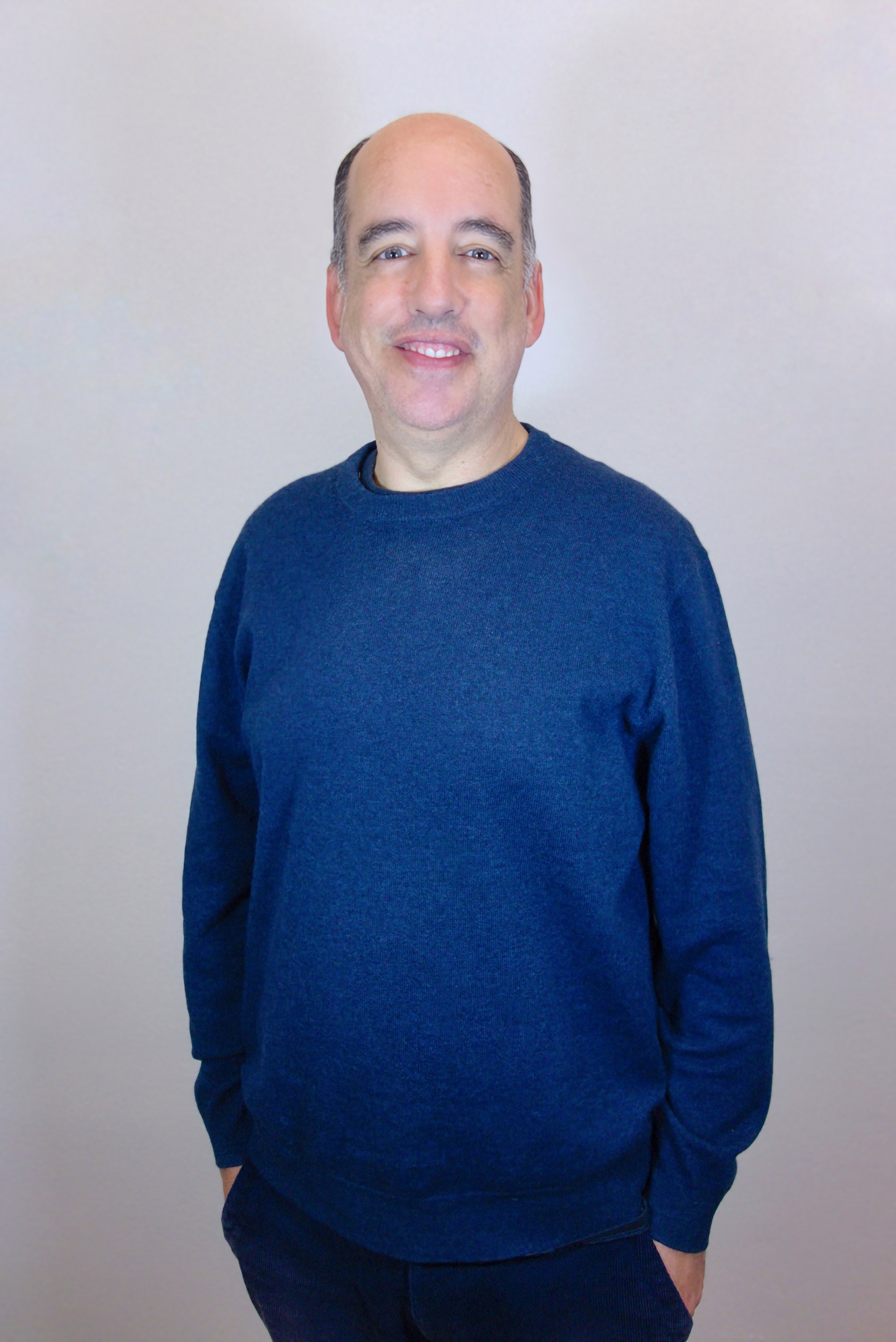
Marián Alonso

Starling T, Carlon-Andres I, Iliopoulou M, Kraemer B, Loidolt-Krueger M, Williamson DJ, Padilla-Parra S
Padilla-Parra S
Tebo AG, Moeyaert B, Thauvin M, Carlon-Andres I, Böken D, Volovitch M, Padilla-Parra S, Dedecker P, Vriz S, Gautier A
Anzilotti C, Swan DJ, Boisson B, Deobagkar-Lele M, Oliveira C, Chabosseau P, Engelhardt KR, Xu X, Chen R, Alvarez L, Berlinguer-Palmini R, Bull KR, Cawthorne E, Cribbs AP, Crockford TL, Dang TS, Fearn A, Fenech EJ, de Jong SJ, Lagerholm BC, Ma CS, Sims D, van den Berg B, Xu Y, Cant AJ, Kleiner G, Leahy TR, de la Morena MT, Puck JM, Shapiro RS, van der Burg M, Chapman JR, Christianson JC, Davies B, McGrath JA, Przyborski S, Santibanez Koref M, Tangye SG, Werner A, Rutter GA, Padilla-Parra S, Casanova JL, Cornall RJ, Conley ME, Hambleton S
Iliopoulou M, Nolan R, Alvarez L, Watanabe Y, Coomer CA, Jakobsdottir GM, Bowden TA, Padilla-Parra S
Kong Y, Janssen BJ, Malinauskas T, Vangoor VR, Coles CH, Kaufmann R, Ni T, Gilbert RJ, Padilla-Parra S, Pasterkamp RJ, Jones EY
Zhao Y, Ren J, Harlos K, Jones DM, Zeltina A, Bowden TA, Padilla-Parra S, Fry EE, Stuart DI
Healey EG, Bishop B, Elegheert J, Bell CH, Padilla-Parra S, Siebold C
Zhao Y, Ren J, Padilla-Parra S, Fry EE, Stuart DI