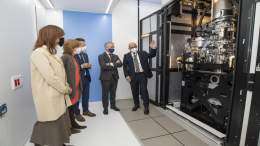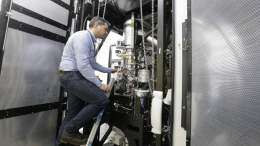



The Biofisika Institute will investigate how certain viruses turn our cells into “viral factories” thanks to a European project funded by the Wellcome
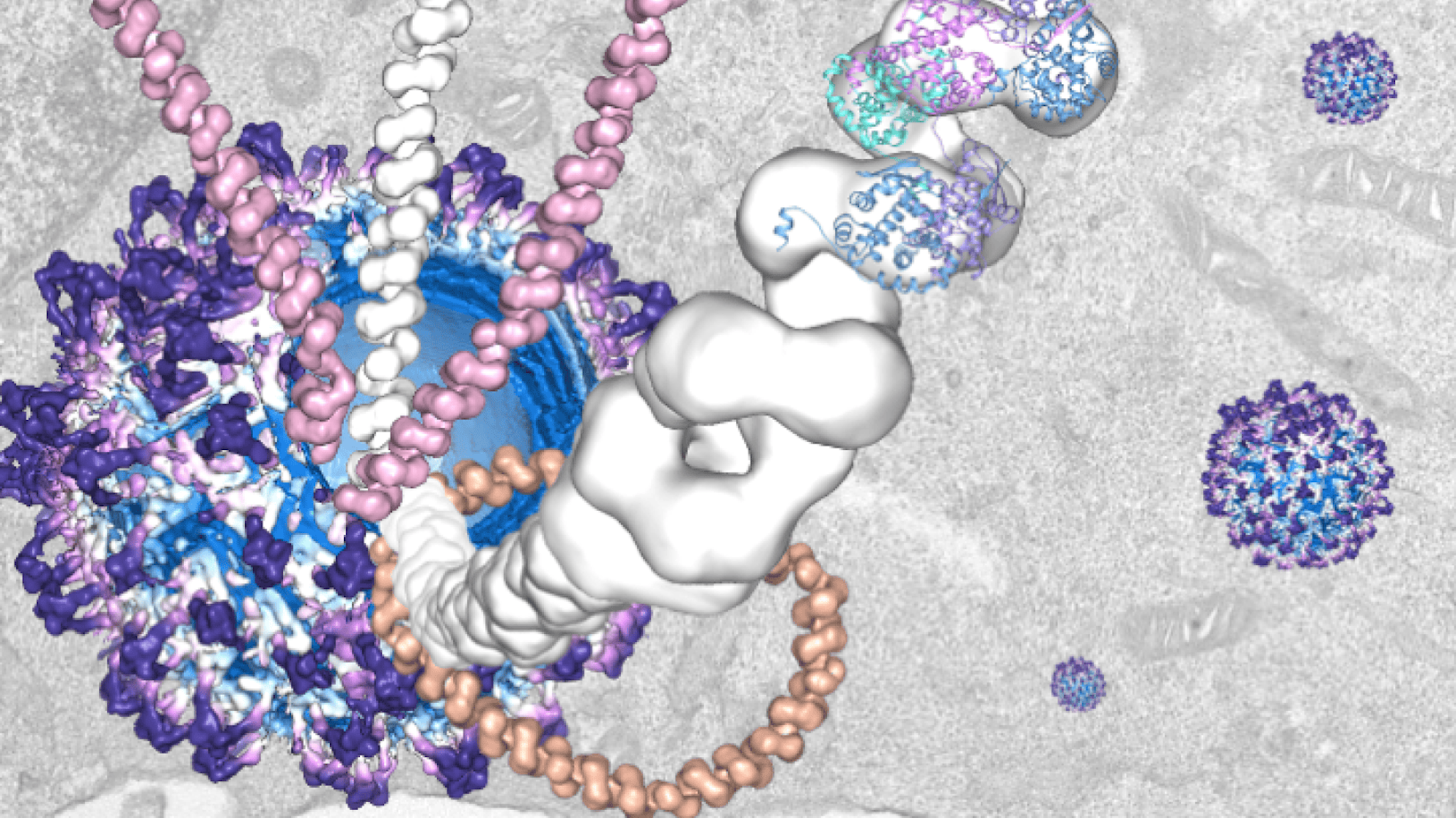
The project, coordinated in the Basque Country by researcher Juan Fontana, will study how bunyaviruses reorganize human cells.
The Biofisika Institute (CSIC, EHU) will be part of a new European project that seeks to understand how some viruses are able to take control of human cells and transform them into viral factories, structures where new viruses are produced and assembled. The initiative has been funded by the Wellcome, one of the world's most prestigious scientific foundations.
The five-year project brings together researchers from the University of Leeds (United Kingdom), the Biofisika Institute (Spain), and the Nova Institute for Medical Systems Biology (Portugal). In the Basque Country, the work will be coordinated by the IBF researcher Juan Fontana.
The team will study bunyaviruses, a group that includes viruses responsible for serious diseases such as Crimean-Congo hemorrhagic fever, endemic in several regions of Spain. Although these viruses reorganize infected cells to create viral factories essential for their replication, the mechanisms that enable this process remain poorly understood.
To uncover them, the project will combine cutting-edge techniques in molecular biology, proteomics, artificial intelligence, and electron microscopy, with the aim of identifying vulnerabilities that could block infection. Understanding how these viral factories are formed is key to advancing the development of future treatments for emerging and reemerging viruses.
Wellcome supports science to solve the urgent health challenges facing everyone. Wellcome's Discovery Awards provides funding for established researchers and teams from any discipline who want to pursue bold and creative research ideas to deliver significant shifts in understanding related to human life, health and wellbeing.
About Wellcome
Wellcome supports science to solve the urgent health challenges facing everyone. We support discovery research into life, health and wellbeing, and we’re taking on three worldwide health challenges: mental health, infectious disease and climate and health.